Anxiety Relief Bundle: 4-in-1 Calm Routine Toolkit
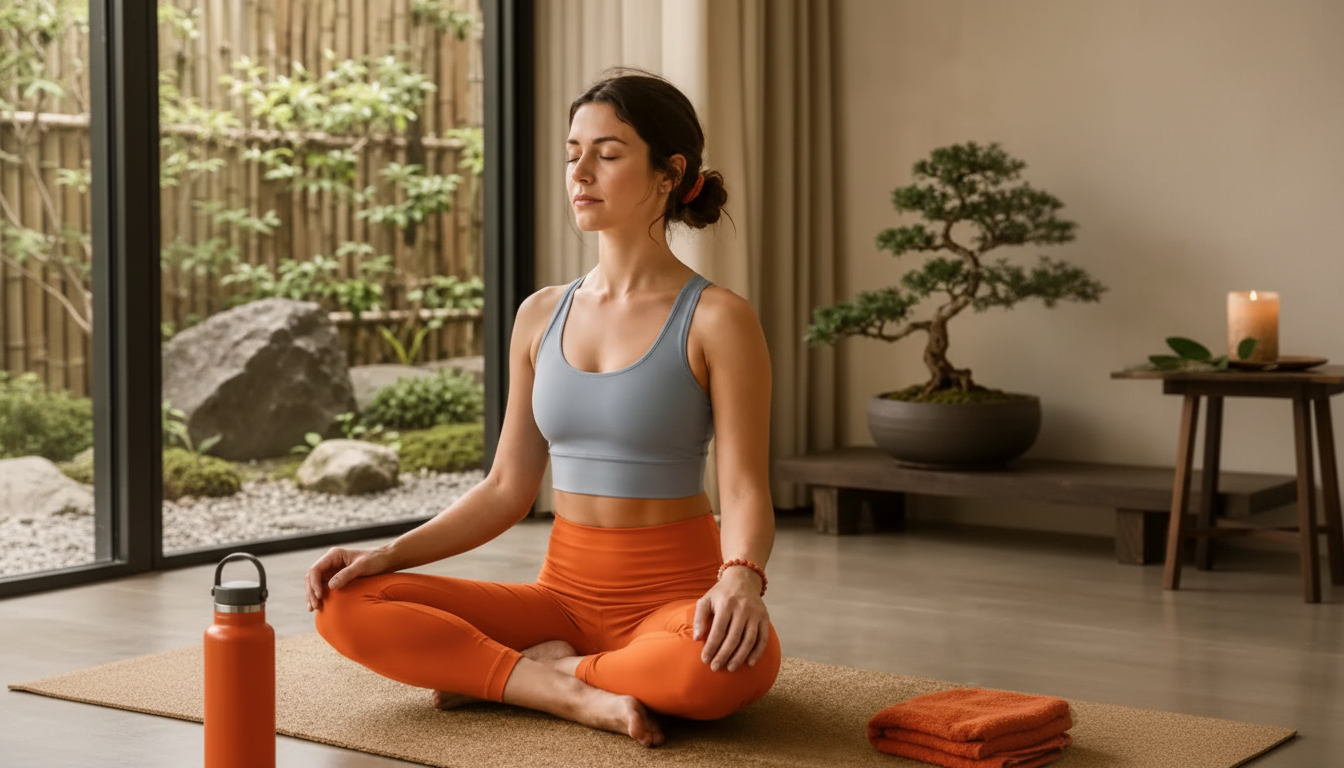
The Anxiety Relief Bundle: A Path to Calm — A 4-in-1 Toolkit for Steadier Days
Anxiety often shows up as racing thoughts, tightness in the body, and a sense of being “on alert.” A calmer day usually comes from small, repeatable skills that support the nervous system and shift unhelpful thinking patterns. The Anxiety Relief Bundle: A Path to Calm brings together guided mindfulness exercises, positive-thinking practices, a printable checklist, and a course outline to turn those skills into a simple routine that can fit real life.
Mindfulness is widely discussed as a practical way to reduce stress reactivity, and organizations like the American Psychological Association (APA) describe mindfulness meditation as a skill that supports attention and emotional regulation. For broader context on anxiety symptoms and when to seek professional help, the National Institute of Mental Health (NIMH) is a helpful reference.
What’s Inside the 4-in-1 Bundle
- Mindfulness exercises designed to build moment-to-moment awareness and reduce reactivity.
- Positive-thinking practices that help identify unhelpful thought loops and replace them with more balanced perspectives.
- Printable checklist to track habits and reduce decision fatigue when stress is high.
- Course outline to structure a step-by-step path, making progress easier to measure and maintain.
Bundle Components at a Glance
| Component | Primary focus | Best used when | Time needed |
|---|---|---|---|
| Mindfulness exercises | Body + breath awareness | Feeling keyed up, distracted, or overwhelmed | 3–15 minutes |
| Positive-thinking practice | Thought reframing | Spiraling, catastrophizing, self-criticism | 5–20 minutes |
| Printable checklist | Consistency + clarity | Low motivation, fatigue, or busy weeks | 1–3 minutes daily |
| Course outline | Structured progression | Starting fresh or rebuilding a routine | Weekly planning |
Who This Bundle Helps Most
- People who feel anxious in daily routines and want a steady, repeatable plan rather than random tips.
- Anyone who benefits from printable guidance, especially during high-stress periods when memory and focus dip.
- Beginners who want a clear starting point for mindfulness and thought work without needing to design a program from scratch.
- Those who prefer short practices that can be repeated and stacked into a longer routine over time.
A Practical Routine: The “Calm Path” You Can Repeat
The most supportive routine is the one that can happen on a normal Tuesday—not just on a perfect day. Use this simple sequence as a repeatable “default setting,” then scale up when you have extra bandwidth.
- Start (2–3 minutes): Use a quick body scan to notice tension in jaw, shoulders, and belly; soften what can be softened.
- Settle (3–5 minutes): Choose a breath-based mindfulness exercise (slow exhale emphasis) to signal safety to the nervous system.
- Shift (5–10 minutes): Use the positive-thinking practice to name the anxious thought, test it, and write a more balanced alternative.
- Support (1 minute): Check off the printable list to reinforce consistency and reduce the need to “figure out what to do” tomorrow.
- Weekly reset (10 minutes): Use the course outline to plan 2–4 short sessions for the week, choosing realistic times and triggers (after coffee, after lunch, before bed).
Mindfulness Exercises That Work Well During Anxiety Spikes
When anxiety rises fast, the goal isn’t to “win” against the feeling—it’s to steady the body enough that your mind has more room to choose what happens next. If you want a structured reference for breathing tools, the NHS breathing exercises for stress page offers simple options.
- Breath anchoring: Gently count the exhale (or use a 4–6 breathing rhythm) to slow physiological arousal.
- 5-4-3-2-1 grounding: Name 5 things seen, 4 felt, 3 heard, 2 smelled, 1 tasted to shift attention from threat scanning to present-moment cues.
- Hands-on-heart breathing: Add light pressure to the chest area to create a sense of support and steadiness.
- Micro-mindfulness: 60 seconds of noticing a single sensation (feet on the floor) can interrupt spirals without needing perfect focus.
Positive Thinking Without Forced Positivity
Helpful reframing isn’t about pretending everything is fine. It’s about replacing extreme, fear-fueled conclusions with statements that are realistic and workable.
- Identify the thought, not the identity: Replace “Something is wrong with me” with “My body is having an anxious response.”
- Reality-check questions: “What evidence supports this fear?” and “What evidence does not?” to reduce all-or-nothing thinking.
- Balanced statements: Aim for believable replacements (e.g., “This is uncomfortable, and it will pass”) rather than overly upbeat claims.
- Next-step focus: Convert worry into a small action (one email, one walk, one glass of water) to restore a sense of agency.
If anxiety tends to hook into self-worth, pairing thought work with guided compassion practices can deepen the shift over time. Meditations for Self-Love & Worthiness is a supportive add-on for building a kinder inner baseline alongside the bundle’s practical tools.
Using the Printable Checklist to Build Momentum
- Keep the checklist visible (desk, fridge, planner) to reduce reliance on memory when anxiety is high.
- Track a minimum viable routine (3–5 minutes) so the habit survives busy or difficult days.
- Add one practice at a time; consistency matters more than intensity for long-term change.
- Use checkmarks as data, not judgment—missed days are signals to simplify, not reasons to quit.
Making the Course Outline Feel Doable
For people whose anxiety spikes around travel or packed schedules, simplifying logistics can also lower baseline stress. The Minimalist Travel Packing Planner is a practical companion for reducing last-minute chaos and decision overload.
When to Get Extra Support
FAQ
What is the best exercise to reduce anxiety?
Slow breathing with longer exhales (for example, a steady 4–6 rhythm) is a practical option because it can reduce physical arousal quickly. A brief grounding exercise like 5-4-3-2-1 can also help; the “best” exercise is the one you’ll repeat consistently and that feels calming in your body.











Leave a comment